
Campaign Length Is Falling — Does It Actually Matter?
One of the quieter signals in social media advertising right now isn’t about creative formats or platforms — it’s about time.
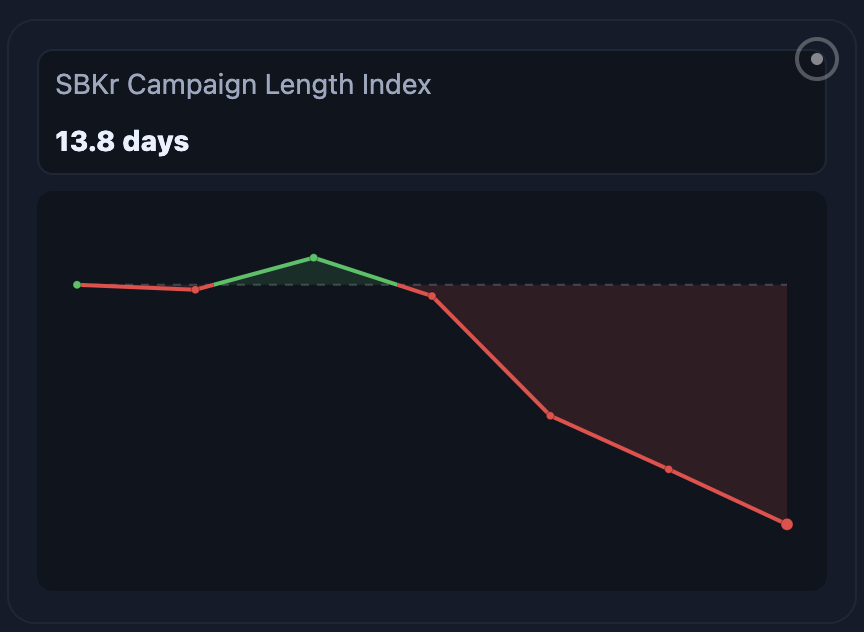
According to Spotbookr indexes, the average campaign length is currently sitting at 13.8 days per campaign, down from a recent weekly high of just over 14 days. On the surface, that drop might feel insignificant. A few tenths of a day doesn’t sound like a strategic shift.
But when you look at it alongside other signals — spending and reach — the story becomes more interesting.
What the Data Is Showing
Right now, Spotbookr is tracking three movements happening at the same time:
- Campaign duration is declining (13.8 days per campaign)
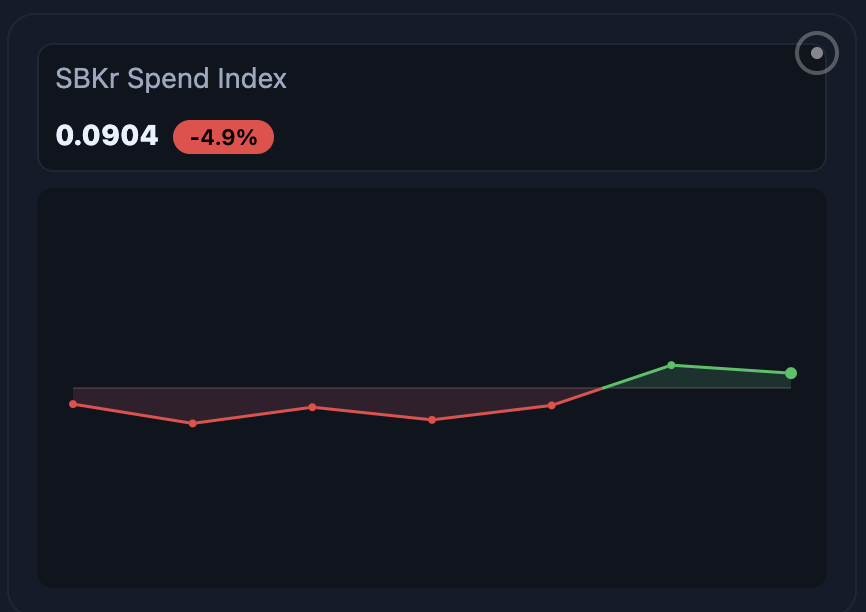
- Spend per campaign is up less than 4%
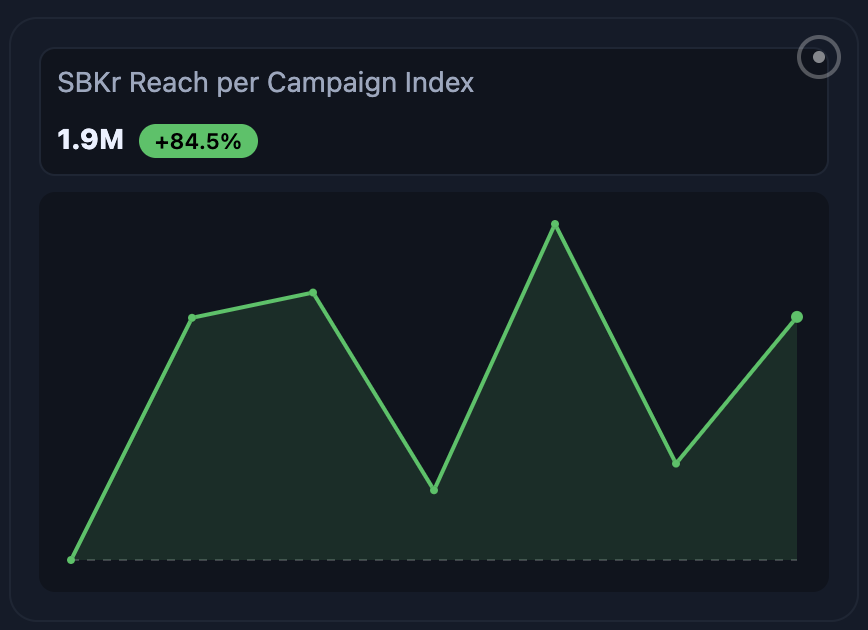
- Reach per campaign has risen by nearly 80%
Individually, each metric is easy to explain away. Together, they suggest a change in how advertisers are thinking about campaigns altogether.
Shorter Campaigns, Bigger Outcomes
Historically, longer campaigns were often associated with confidence. Brands would lock in budgets, commit to extended flighting, and let campaigns “run their course.” Duration was stability.
What we’re seeing now is different.
Campaigns are getting shorter, but they’re not getting smaller. In fact, reach is expanding dramatically. That nearly 80% increase in reach per campaign suggests advertisers are achieving more exposure in less time.
This points to a shift away from endurance-based campaigns toward efficiency-driven execution.
Why Campaign Length Is Shrinking
Shorter campaigns don’t necessarily mean less commitment. They often mean faster learning cycles.
Advertisers are: - Launching faster - Measuring performance earlier - Making decisions mid-flight - Killing underperforming ideas sooner
Instead of stretching a campaign to “see what happens,” brands are compressing timelines to force clarity. If something works, it scales. If it doesn’t, it’s replaced.
In that context, a drop from 14+ days to 13.8 days isn’t about saving time — it’s about reducing indecision.
Spending Isn’t Exploding — It’s Being Focused
The spend increase being tracked by Spotbookr is modest: under 4%. That’s important.
This isn’t a case of advertisers throwing more money at fewer days. It’s closer to reallocation than expansion. Budgets are being deployed with tighter expectations and clearer performance thresholds.
The result?
More reach, achieved more deliberately.
The Reach Signal Matters Most
The standout metric here is reach.
An almost 80% rise in reach per campaign tells us that advertisers are either: - Targeting broader audiences more confidently - Leveraging formats that scale faster - Or aligning creative more closely with platform momentum
Likely, it’s a combination of all three.
What matters is that shorter campaigns are not limiting exposure. They’re amplifying it.
So, Does Campaign Length Still Matter?
Yes — but not in the way it used to.
Campaign length is no longer a proxy for commitment or ambition. It’s becoming a tactical variable, adjusted based on performance signals rather than planning assumptions.
A shorter campaign today can outperform a longer one from six months ago, not because it lasts less time, but because it’s built around faster feedback and higher intent.
What Spotbookr Helps Surface
What makes this shift visible is comparative intelligence.
Spotbookr doesn’t just show isolated metrics — it reveals how campaign duration, spend, and reach move together. That context is what turns numbers into understanding.
Without tracking averages like days per campaign alongside reach and spend indexes, this change would be easy to miss. With it, we can see a clear behavioral adjustment happening across advertisers.
The Bigger Takeaway
Campaigns aren’t shrinking because advertisers care less.
They’re shrinking because advertisers are learning faster.
Shorter timelines, controlled spend increases, and significantly higher reach suggest a market that’s optimizing for signal over certainty.
And right now, the signal is clear:
impact is being compressed — not reduced.
As always, the data doesn’t tell us what will happen. But it does show us how advertisers are behaving right now — and that behavior is changing.